


TL;DR:
- Herbal supplements are increasingly popular due to their traditional use, natural origins, and wellness culture.
- Quality, safety, and proper research are essential; always verify labels, certifications, and consult healthcare providers before use.
Herbal supplements have moved well beyond the fringe. More people are reaching for ashwagandha, turmeric, and echinacea before they reach for a prescription pad. The appeal makes sense: natural origins, centuries of traditional use, and a wellness culture that’s finally taking root. But curiosity without a clear plan can lead to wasted money, disappointing results, or worse, real safety concerns. This step by step herbal supplement guide walks you through exactly what to know, what to buy, how to prepare your herbs, and how to track whether any of it is actually working.
Table of Contents
- Key takeaways
- What you need before starting
- How to select and purchase quality supplements
- Preparing and using herbal supplements daily
- Common mistakes and how to avoid them
- Assessing your results over time
- My honest take on herbal supplementation
- Ready to start with something you can trust?
- FAQ
Key takeaways
| Point | Details |
|---|---|
| Safety comes first | “Natural” does not mean risk-free; herbs can interact with medications and cause side effects. |
| Quality varies widely | Always look for third-party tested products with GMP compliance before purchasing. |
| Start with a clear purpose | Identify your health goal before selecting any herb to avoid random supplementation. |
| Track your results | Log how you feel weekly so you can catch improvements or adverse effects early. |
| Work with your doctor | Consult a healthcare provider before starting, especially if you take prescription medications. |
What you need before starting
Before you swallow a single capsule or steep your first herb, there is groundwork to cover. Think of this section as your orientation before the tutorial begins.
Understanding supplement forms
Herbal supplements come in several distinct forms, and each one behaves differently in your body.
- Teas and infusions: Dried plant material steeped in hot water. Absorption is gentler and slower, and the potency is generally lower.
- Tinctures: Concentrated liquid extracts made with alcohol or glycerin. These absorb quickly and are easy to dose precisely.
- Capsules and tablets: Powdered or extracted herbs in pill form. Convenient and consistent, though absorption depends on the capsule type and your digestion.
- Standardized extracts: These specify the concentration of an active compound, such as 95% curcuminoids in a turmeric extract. More reliable for therapeutic use.
- Topical preparations: Creams, salves, and oils applied to the skin. Used for localized effects like inflammation or wound healing.
Knowing the form helps you match the supplement to your goal and your lifestyle.
Safety considerations you cannot skip
This is where many beginners stumble. Herbal supplements are not regulated the same way prescription drugs are. The FDA does not approve them before they hit shelves, manufacturing quality varies widely, and some products may contain impurities or undisclosed ingredients.
Pregnant women, immunocompromised individuals, and children under six are advised to use particular caution or avoid herbal medicines altogether. If you belong to any of these groups, talk to a doctor before proceeding.
Pro Tip: Write down every supplement, vitamin, and prescription drug you currently take before you add anything new. That list becomes your safety baseline.
You will also want to gather a few supplies: a reliable notebook or wellness app for tracking, a timer for teas and infusions, clean glass containers for tinctures, and access to reputable research databases.

How to select and purchase quality supplements
This is where your herbal supplement tutorial gets practical. Most people skip due diligence here, and that’s where the side effect lottery begins.
Step 1: Define your health goal clearly
Before you open a single product page, write down what you want to achieve. Better sleep? Reduced anxiety? Improved focus? This prevents the trap of buying five different herbs because they all “sound helpful.”
Step 2: Research the herb using credible sources
Not every herb that trends on social media has solid science behind it. Combining traditional use with clinical evidence through RCTs and systematic reviews is the most reliable way to assess an herb’s effectiveness. Check databases like PubMed, the NIH Office of Dietary Supplements, and the American Botanical Council before committing.
Step 3: Verify the product label
The NIH Dietary Supplement Label Database contains over 207,000 product labels and lets you check exact ingredients, dosages, and additive contents. Use it. You should also look for third-party certifications on the packaging.
| Quality indicator | What it means | Why it matters |
|---|---|---|
| NSF Certified | Product tested for identity, potency, and contaminants | Independent verification of label claims |
| USP Verified | Meets standards for purity, strength, and manufacturing | Reduces risk of contamination or mislabeling |
| GMP Compliance | Made under Good Manufacturing Practices | Consistent product quality across batches |
| Standardized extract | Active compound concentration is specified | More predictable therapeutic effect |
| Lot number and expiry | Traceable batch with clear shelf life | Allows recalls and confirms freshness |
Step 4: Watch for misleading claims
If a supplement promises to “cure,” “treat,” or “prevent” a disease, that’s a red flag. Those claims are not legal for dietary supplements in the United States. Words like “supports,” “promotes,” and “may help” are the legally permissible language. When a brand overclaims, question everything else on its label too.
Learning how to spot misleading supplement marketing is one of the most useful skills in your guide to herbal supplements. Good brands tell you exactly what’s in their product and how it was tested.
Pro Tip: Contact the manufacturer directly and ask for their third-party testing certificates. Reputable companies will share them. If a company won’t, move on.
Preparing and using herbal supplements daily
Now you have your supplement in hand. Here is the stepwise process for using it correctly.
Step-by-step preparation by supplement form
-
Herbal teas: Use one teaspoon of dried herb per cup of water. Bring water to just below boiling for delicate herbs (chamomile, lemon balm) or a full boil for roots and bark. Steep for five to ten minutes with a lid on to trap volatile oils. Strain and drink fresh.
-
Tinctures: Measure your dose using the dropper included. Most tinctures instruct 1 to 2 ml, one to three times daily. Take directly under the tongue for faster absorption or add to a small amount of water if the taste is sharp.
-
Capsules and tablets: Take with a full glass of water unless the label specifies otherwise. Some fat-soluble herbs like turmeric absorb better alongside a meal containing healthy fat.
-
Topical preparations: Clean the target area first. Apply a small amount and wait 24 hours to check for skin sensitivity before wider use. Avoid applying near eyes or on broken skin unless directed.
-
Standardized extracts: Follow the label dose exactly. Higher concentration means stronger effect and a smaller margin for error.
| Supplement form | Preparation time | Best time to take | Notes |
|---|---|---|---|
| Herbal tea | 5 to 10 minutes | Morning or before bed | Keep lid on during steeping |
| Tincture | Ready to use | Morning, with water | Shake before measuring |
| Capsule | Instant | With a meal | Check fat solubility |
| Topical | 2 to 5 minutes | As needed | Patch test first |
| Standardized extract | Instant | Per label instructions | Do not exceed dose |
Timing, meals, and interactions
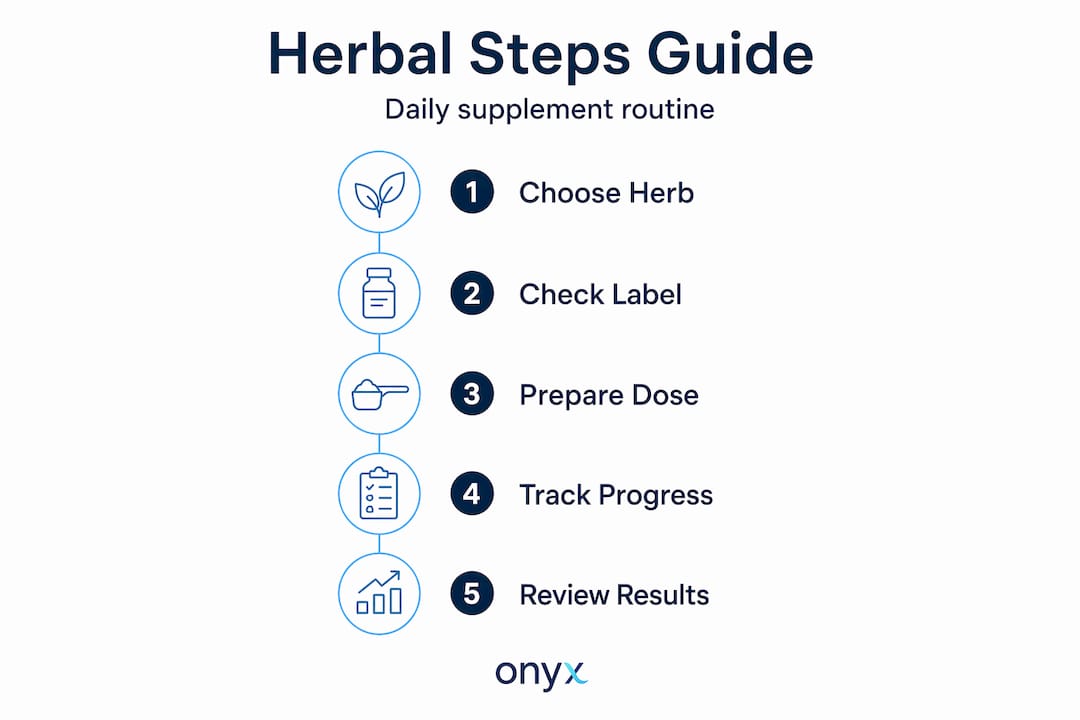
Some herbs genuinely need food. Others work better on an empty stomach. Adaptogens like ashwagandha are often taken at night because they support cortisol balance during sleep. Digestive herbs like ginger are better before meals.
Timing also matters when you take medications. St. John’s wort can reduce the effectiveness of drugs including contraceptives, anticoagulants, and immunosuppressants. Space supplements and prescriptions apart by at least two hours when in doubt, and always confirm with your pharmacist.
Pro Tip: Set a recurring phone alarm for your supplement schedule in the first two weeks. Consistency matters far more than perfection.
Common mistakes and how to avoid them
Even people with the best intentions run into trouble here. These are the patterns worth watching for.
- Ignoring dosage guidelines. More is not better with herbs. Green tea extract, turmeric, and Garcinia cambogia are among the herbs most linked to liver injury cases, often from high-dose or concentrated supplementation.
- Skipping the drug interaction check. Herbs like goldenseal can interfere with metformin and affect how drugs like digoxin and warfarin are processed. This is not a minor concern.
- Not telling your doctor. Many people treat their supplement routine as private. Your healthcare provider needs the full picture to keep you safe, especially before surgery or when adjusting prescriptions.
- Pushing through adverse effects. If you experience nausea, rash, dizziness, or headache, stop using the supplement and seek medical attention if symptoms persist or worsen. Hoping it passes is not a strategy.
- Buying on price alone. The cheapest version of an herb is usually the cheapest for a reason. Standardization and third-party testing cost money, and that cost protects you.
“Treat herbal supplements with the same caution as conventional medicines, and report any side effects to your doctor or to MedWatch, the FDA’s safety reporting program.” — NHS Herbal Medicines Safety Guidance
Assessing your results over time
A complete herbal supplement manual is not just about starting well. It’s about knowing whether what you’re doing is working.
Most herbal supplements need consistent use for four to eight weeks before effects become noticeable. Adaptogens may take even longer. Setting a realistic timeline protects you from abandoning something that was actually working, or staying with something that isn’t.
Here’s how to track your progress methodically:
- Keep a weekly log. Note your sleep quality, energy, mood, digestion, and any physical changes. Free apps like Bearable or a simple journal work equally well.
- Rate your starting symptoms. Give each symptom a score from one to ten before you begin. Recheck that score every two weeks. Subjective improvements become measurable this way.
- Notice what’s missing. Absence of a symptom you used to have is a result. People often overlook these quiet wins.
- Schedule a four-week check-in. Ask yourself whether anything has shifted. If nothing has changed and you’ve been consistent, it may be time to reassess the herb, the dose, or whether you need professional guidance.
Pair your supplement routine with natural wellness habits like consistent sleep, hydration, and movement. Herbs work best as part of a full picture, not as a shortcut around the rest of it.
My honest take on herbal supplementation
I’ve spent years looking at how people actually use herbal supplements, and the biggest gap I see isn’t a knowledge problem. It’s a trust problem. People either trust too much, picking up something because it’s “natural,” or not at all, dismissing herbs because they’re not pharmaceutical.
The word “natural” still trips people up. I’ve watched individuals stack ashwagandha, kava, and valerian simultaneously without telling anyone, then wonder why they feel off. Natural does not mean safe, and that’s not a technicality. It’s a real pattern with real consequences.
What I’ve found actually works is the combination of traditional herbal knowledge with scientific validation. That means not throwing out centuries of Ayurvedic or traditional Chinese medicine wisdom, but not accepting it uncritically either. The herbs with the strongest track records tend to be the ones with both traditional use AND modern clinical data behind them.
The other lesson I’d pass along: manufacturer transparency is not a nice-to-have. It’s a filter. The brands willing to show you their testing certificates and sourcing information are the ones worth your money. The ones who redirect or go quiet when you ask? Move on. You deserve better than that in your corner.
Approach herbal supplementation with informed curiosity. Be methodical, be patient, and keep your doctor in the loop. That combination takes most of the guesswork out of it.
— Chris
Ready to start with something you can trust?
If this guide has shown you anything, it’s that the supplement you choose matters as much as how you use it. That’s exactly where Onyxwellness comes in.

Onyxwellness was built around the same principles covered in this article: traditional herbal wisdom, ingredient transparency, and modern delivery that actually fits your life. The brand’s dissolvable strips are sugar-free, require no water, and absorb fast, which means no more guessing about bioavailability. If digestive health is your focus, the gut health strips offer a clean, Ayurvedic-inspired option worth exploring. For those interested in natural beauty support, the hair, skin and nails strips blend botanical ingredients in a format your body can use quickly. Browse the full Onyxwellness collection and find the products that actually align with your goals.
FAQ
What are herbal supplements?
Herbal supplements are products made from plant materials, including roots, leaves, flowers, and bark, used to support health. They come in forms like teas, capsules, tinctures, and standardized extracts.
How do I know if an herbal supplement is safe?
Look for third-party certifications like NSF or USP, check the NIH Dietary Supplement Label Database, and consult your doctor, especially if you take any prescription medications.
Can herbs interact with my medications?
Yes. Herbs like St. John’s wort and goldenseal are known to interfere with prescription drugs including blood thinners, antidepressants, and diabetes medications. Always review interactions before starting.
How long before I notice results from herbal supplements?
Most herbs require four to eight weeks of consistent use before noticeable effects appear. Adaptogens and tonics often take longer than acute-use herbs like ginger or peppermint.
Should I stop taking a supplement if I feel side effects?
Yes. Stop use immediately if you experience nausea, rash, dizziness, or worsening symptoms, and contact your healthcare provider. Do not push through adverse effects hoping they’ll resolve on their own.
Recommended
- Step-by-step recovery guide for natural wellness success – Onyx Wellness
- Natural sports nutrition supplements for recovery: 2026 guide – Onyx Wellness
- How Transparency in Supplements Drives Better Wellness Results – Onyx Wellness
- How to recover naturally: steps & tools for better wellness – Onyx Wellness