


Recovery can feel like standing at a crossroads with a dozen signs pointing in different directions. One source tells you to rest completely, another says move more. One recommends fasting, another pushes protein loading. If you’ve ever felt paralyzed by conflicting advice after illness, injury, or burnout, you’re not alone. What actually works is a structured, whole-person approach that addresses body, mind, and daily habits together. This guide walks you through a natural, Ayurvedic-informed recovery plan, step by step, so you can stop guessing and start healing with real confidence.
Table of Contents
- Understanding holistic recovery: Why a system matters
- What you need to prepare: Tools, supplies, and mindset
- Step-by-step recovery protocol: Your daily roadmap
- Verify progress and avoid setbacks: Monitoring and troubleshooting
- What most recovery guides miss about holistic success
- Accelerate your recovery with Onyx Wellness solutions
- Frequently asked questions
Key Takeaways
| Point | Details |
|---|---|
| System approach wins | A holistic protocol leveraging diet, lifestyle, and self-monitoring outperforms one-size-fits-all solutions. |
| Preparation is key | Gather essential tools and mindsets first for the best chance at recovery success. |
| Daily consistency matters | Following your personalized routine daily leads to observable, lasting improvements. |
| Monitor and adapt | Track progress and adjust quickly to avoid setbacks and maximize results. |
Understanding holistic recovery: Why a system matters
Holistic recovery means treating your body as an interconnected system rather than a collection of isolated problems. When one part is off, whether that’s sleep, digestion, stress, or nutrition, the ripple effects touch everything else. A sore back that keeps you from exercising also disrupts your sleep. Poor sleep raises cortisol. Elevated cortisol throws off your appetite and mood. You can see how quickly a single issue spirals.
Ayurveda, the ancient Indian system of natural medicine, recognized this interconnection thousands of years ago. It groups people into constitutional types called doshas (Vata, Pitta, and Kapha), each describing a unique blend of physical and mental tendencies. Recovery, in this framework, isn’t one-size-fits-all. It’s personalized to your constitution, your current imbalance, and your environment.
Modern research is catching up to this thinking. Whole-system approaches combining diet, lifestyle, and targeted interventions consistently outperform single-symptom solutions in observational studies. Treating only the symptom is like mopping the floor while the faucet is still running.
Key Ayurvedic principles relevant to recovery:
- Agni (digestive fire): Keeping digestion strong is the foundation of healing
- Ojas (vital energy): The reserve of resilience that supports immunity and mental clarity
- Dinacharya (daily routine): Consistent daily rhythms anchor the body’s natural repair cycles
- Rasayana (rejuvenation): Specific herbs and practices that rebuild tissue and vitality
- Prakriti (individual constitution): Tailoring recovery to your unique body type
| Approach | Focus | Typical outcome |
|---|---|---|
| Single-symptom treatment | One issue at a time | Temporary relief, frequent relapse |
| Holistic/Ayurvedic system | Body, mind, lifestyle together | Sustained improvement, prevention |
Pro Tip: Pay attention to subtle early signals like low energy in the morning, irregular digestion, or mood dips. These are your body’s early warning system. Catching imbalance early, before it becomes a full setback, is where holistic recovery really shines. You can also explore balancing appetite in recovery as one practical piece of this bigger puzzle.
What you need to prepare: Tools, supplies, and mindset
Setting yourself up for success before you start is half the battle. Think of preparation as building your recovery infrastructure. Without it, even the best protocol falls apart when life gets busy or motivation dips.

Here’s a practical overview of what to gather:
| Category | Items needed | Purpose |
|---|---|---|
| Tracking | Journal or wellness app | Monitor symptoms, energy, mood |
| Hydration | Herbal teas, electrolyte support | Flush toxins, support cellular repair |
| Nutrition | Whole foods, easy-to-digest meals | Fuel Agni and tissue rebuilding |
| Supplements | Ayurvedic herbs, targeted strips | Fill nutritional gaps, support recovery |
| Environment | Quiet space, reduced screen time | Allow nervous system to reset |
| Support network | Trusted friend, practitioner | Accountability and guidance |
Checklist before you begin:
- Clear your schedule of non-essential stressors for the first two weeks
- Stock your kitchen with warm, easy-to-digest foods (soups, cooked grains, steamed vegetables)
- Choose a consistent wake and sleep time and commit to it
- Identify one trusted person who can check in with you weekly
- Research any supplements you plan to use and confirm they fit your health profile
Your mindset matters just as much as your supplies. Recovery is not a sprint. It’s a patient, iterative process. Approaching it with curiosity rather than frustration changes everything. Early imbalance detection is consistently linked to better outcomes, which means staying observant and honest with yourself is a genuine clinical advantage.
If you’re considering supporting healthy appetite during recovery, make sure you understand how any supplement fits into your overall plan before adding it.
Important: Always consult a qualified healthcare provider before starting any new supplement regimen, especially if you have existing health conditions or take prescription medications. Natural does not automatically mean risk-free for every individual.
Step-by-step recovery protocol: Your daily roadmap
With your materials ready and your mindset primed, here’s a practical daily framework you can adapt to your specific needs and Ayurvedic constitution.
-
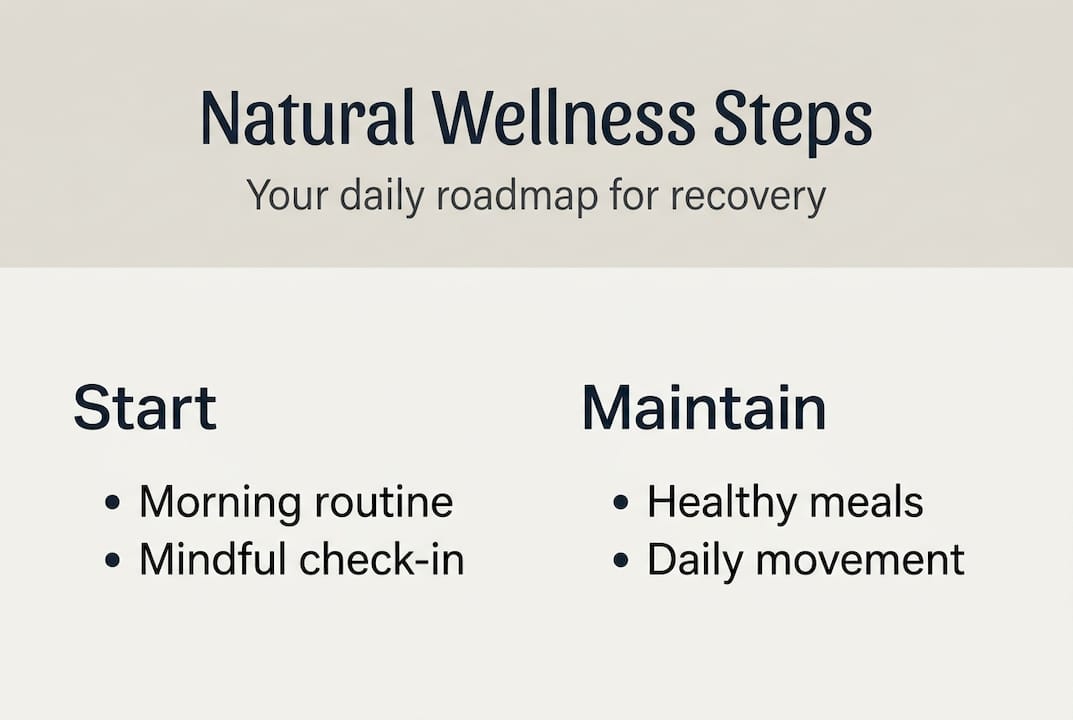
Morning grounding (15 minutes): Wake at the same time daily. Drink a glass of warm water with lemon to activate Agni. Spend five minutes in quiet breathing or gentle stretching. This anchors your nervous system before the day’s demands begin.
-
Nourishing breakfast: Choose warm, cooked foods over cold or raw options. Oatmeal with ghee, spiced rice porridge, or soft eggs are all easy on digestion. Avoid skipping breakfast, as this depletes Ojas over time.
-
Midday movement: A 20 to 30 minute walk or gentle yoga session supports circulation and lymphatic drainage. Intense exercise is not the goal in early recovery. Movement should feel restorative, not depleting.
-
Targeted supplementation: Take any Ayurvedic herbs or wellness supplements with your largest meal. This improves absorption and reduces the chance of digestive discomfort. If you’re managing appetite during recovery, consistent timing matters.
-
Afternoon check-in: Spend two minutes journaling your energy level, mood, and any physical symptoms. This is your data. Over weeks, patterns emerge that guide smart adjustments.
-
Evening wind-down: Reduce screen exposure one hour before bed. A warm bath, light reading, or a calming herbal tea signals your body to shift into repair mode. Sleep is when the deepest tissue rebuilding happens.
-
Weekly review: Every Sunday, review your journal notes. What’s improving? What’s stalling? Adjust one variable at a time so you can track what’s actually working.
Integrating Ayurvedic practices with consistent daily steps shows accelerated improvement in observational data, though researchers note that larger randomized trials are still needed for definitive conclusions.
Pro Tip: Track progress with a simple 1 to 10 energy score each morning. After four weeks, you’ll have a clear visual of your trend. Small, consistent gains beat dramatic short-term efforts every time.
Verify progress and avoid setbacks: Monitoring and troubleshooting
Following a protocol is one thing. Knowing whether it’s actually working is another. Self-monitoring doesn’t require expensive tools. It requires honest attention.
Simple indicators to track weekly:
- Morning energy level (before caffeine)
- Quality and duration of sleep
- Digestive regularity and comfort
- Mood stability throughout the day
- Physical symptoms (pain, tension, fatigue)
- Appetite patterns and food cravings
Common pitfalls that stall recovery:
- Skipping rest days because you feel temporarily better
- Inconsistent supplement timing or dosing
- Neglecting mental health while focusing only on physical symptoms
- Introducing too many changes at once, making it impossible to identify what’s helping
- Comparing your timeline to someone else’s experience
Practical monitoring tools support positive recovery trends and help identify when additional support is needed. Experts also note the value of rigorous self-tracking even when formal clinical trials are limited.
| Setback | Common symptom | Recovery strategy |
|---|---|---|
| Sleep disruption | Fatigue, mood swings | Restore consistent sleep schedule first |
| Digestive issues | Bloating, low appetite | Simplify diet, add warming spices |
| Emotional burnout | Apathy, irritability | Reduce load, add restorative practices |
| Plateau in progress | No change for 2+ weeks | Adjust one protocol variable, seek guidance |
If you notice that troubleshooting appetite is a recurring challenge, that’s a signal worth addressing directly rather than pushing through.
When to seek professional support: If symptoms worsen after two weeks of consistent effort, if you experience new or unexplained physical changes, or if mental health symptoms intensify, consult a qualified healthcare provider. Self-guided recovery has real limits, and knowing when to ask for help is a sign of wisdom, not weakness.
What most recovery guides miss about holistic success
Most recovery content is built around fixing what’s broken. That framing, while understandable, puts you permanently in reactive mode. You wait for a problem, then scramble to solve it. Ayurveda flips this entirely. The real goal is building a system so attuned to your body that imbalances are caught and corrected before they become problems at all.
Modern system-thinking in integrative health is finally catching up to this ancient insight. The body isn’t a machine with replaceable parts. It’s a dynamic, self-regulating network. Daily self-checks, honest journaling, and small course corrections aren’t just good habits. They’re the actual mechanism of lasting wellness.
What separates people who sustain recovery from those who cycle through setbacks isn’t willpower or the perfect supplement stack. It’s consistent self-awareness paired with a willingness to adjust. If you’re looking for effective weight support as part of your bigger picture, that same principle applies. One tool works best inside a system, not as a substitute for one.
The uncomfortable truth is that most of us want a cure. What we actually need is a practice.
Accelerate your recovery with Onyx Wellness solutions
You’ve built the framework. Now it’s time to fill it with tools that actually match your approach. Onyx Wellness products are designed specifically for people who take their wellness seriously, blending Ayurvedic herbal traditions with modern, fast-absorbing delivery formats.
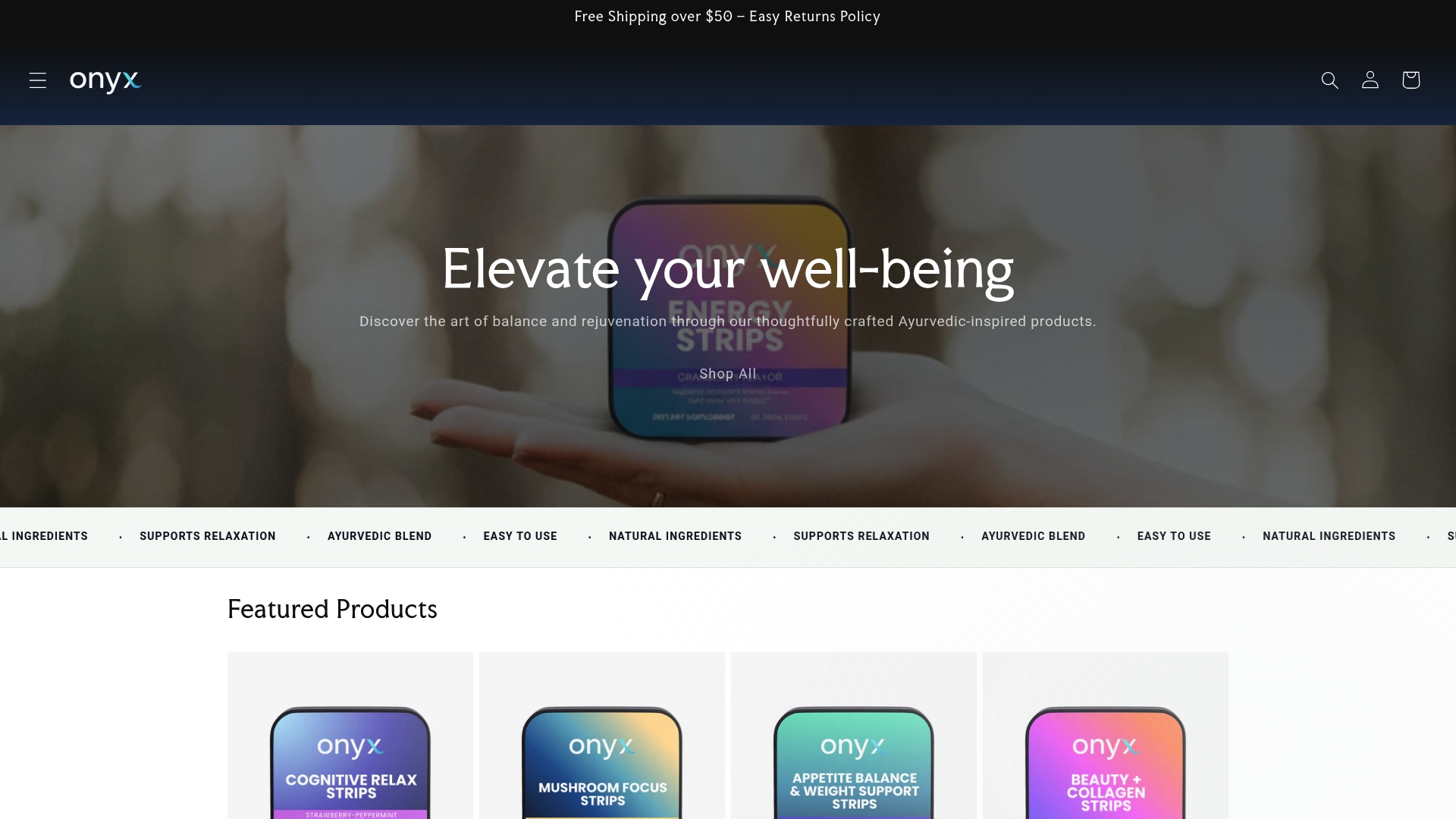
Our dissolvable strips require no water and absorb quickly, making them easy to fit into the daily routines you’ve just built. Whether you’re focused on holistic weight support, mental clarity, or general recovery, we have targeted options designed to complement your protocol. Browse our full range of natural supplement options and find what fits your recovery phase. Visit Onyx Wellness to explore everything we offer and take the next step with confidence.
Frequently asked questions
What is the first step in natural recovery according to Ayurveda?
The first step is identifying early signs of imbalance in digestion, energy, or mood, then adjusting diet, routine, and environment before symptoms worsen. Early imbalance detection is directly linked to better prevention and outcomes.
How long does holistic recovery usually take?
Timelines vary based on the individual and the nature of the imbalance, but consistent protocols often produce noticeable improvements within several weeks. Patience and consistency matter more than speed.
What should I do if I hit a setback or stop improving?
Review your routine for gaps in sleep, nutrition, or supplement consistency, and adjust one variable at a time. If progress stalls despite troubleshooting, practical monitoring tools can help clarify next steps, and a healthcare provider can offer further guidance.
Are Ayurvedic remedies safe to combine with supplements?
Most natural Ayurvedic remedies and quality supplements are compatible, but individual health conditions and medications can change that picture. Always consult a medical professional before combining new products to get advice tailored to your specific situation.