


You wake up exhausted even after eight hours of sleep. Your muscles ache, your focus is scattered, and the idea of powering through another demanding day feels like climbing a hill in wet sand. Sound familiar? Many of us reach for quick fixes, whether that’s another cup of coffee or a trending supplement, without addressing the real foundations of recovery. The good news is that lifestyle practices like gratitude, movement, sleep, and social connection genuinely build resilience and restore both your body and mind. This guide walks you through practical, research-backed steps to recover naturally, so you can stop white-knuckling your way through the week and actually feel restored.
Table of Contents
- What you need to know before starting natural recovery
- Step-by-step lifestyle practices for recovery
- Natural supplements and adaptogens for faster recovery
- Addressing common hurdles and safety tips
- Tracking your recovery and optimizing over time
- Why quick fixes fail and what actually works for natural recovery
- Personalize your recovery with Onyx Wellness
- Frequently asked questions
Key Takeaways
| Point | Details |
|---|---|
| Lifestyle is foundational | Practicing gratitude, sleep hygiene, movement, and nature exposure is the core of effective recovery. |
| Supplements help targeted recovery | Ashwagandha, Boswellia, and antioxidant-rich juices accelerate healing alongside daily habits. |
| Personalization is key | Combine strategies, adjust for your needs, and consult experts for best safety and results. |
| Track to progress | Monitor how you feel, tweak routines, and celebrate improvements for sustainable wellness. |
What you need to know before starting natural recovery
After establishing why natural recovery matters, let’s clarify what you need before you begin. The biggest mistake people make is treating natural recovery like a single-ingredient solution. Pop an herb, feel better tomorrow. That’s not how it works, and honestly, that mindset is what keeps most people stuck.
Natural recovery is built on holistic lifestyle medicine, meaning nutrition, physical activity, sleep quality, and mental attitude all work together. No single pillar does the heavy lifting alone. Think of it like a four-legged table. Remove one leg and the whole thing wobbles.
Before you start, consider these essentials:
- Check for underlying health conditions or sensitivities that may affect your response to botanicals or new routines.
- If you are pregnant, nursing, or managing a chronic condition, consult a healthcare provider before adding adaptogens or new supplements.
- Expect gradual, sustainable improvement. Most meaningful changes appear within two to four weeks of consistent practice.
- Personalize your approach. Combining multiple strategies, such as sleep hygiene plus adaptogens plus movement, consistently outperforms any single method.
| Recovery pillar | Why it matters | Starting point |
|---|---|---|
| Nutrition | Fuels cellular repair and reduces inflammation | Add anti-inflammatory foods daily |
| Sleep | Consolidates memory and restores hormones | Aim for 7-9 hours consistently |
| Movement | Boosts circulation and mood | 20-30 minutes of gentle activity |
| Mindset | Regulates stress response | Daily gratitude or mindfulness practice |
“Recovery is not a destination. It’s a direction you choose every day.”
Pro Tip: Before diving into supplements, spend two weeks nailing your sleep and movement basics. You’ll likely notice improvements before adding anything else.
If you feel overwhelmed by where to start, the burnout recovery workflow from Heske Therapy offers a structured, step-by-step framework that pairs well with the practices covered here.
Step-by-step lifestyle practices for recovery
With your mindset and resources ready, follow these practical steps for whole-person recovery. These aren’t abstract wellness concepts. They’re daily actions with real, measurable effects on how you feel.
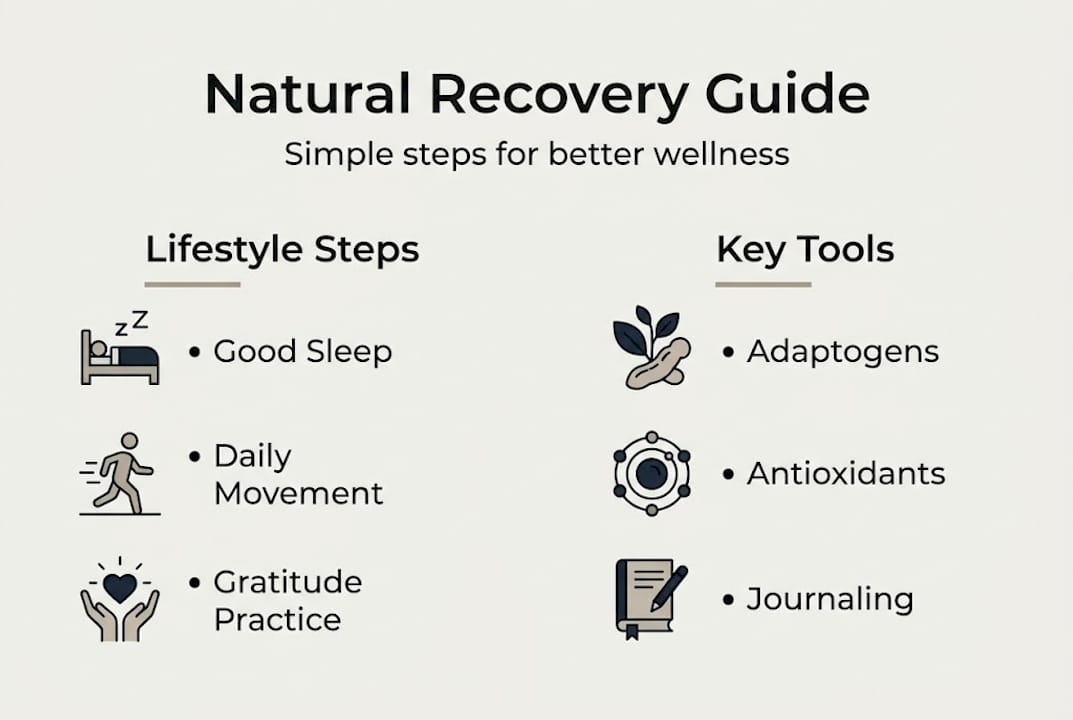
Resilience-building practices like gratitude, time in nature, mindfulness, exercise, and social connection all meaningfully support natural mental and physical recovery. The key is consistency, not perfection.
Five core daily practices:
- Practice gratitude. Each morning or evening, write down three specific things that went well. This simple habit rewires your stress response over time.
- Spend time outdoors. Even 20 minutes in a park or garden reduces cortisol and sharpens focus. Nature is one of the most underused recovery tools available.
- Prioritize restorative sleep. Keep a consistent sleep schedule, limit screens an hour before bed, and keep your room cool and dark. Sleep is when your body does its deepest repair work.
- Move gently and regularly. Walking, yoga, swimming, or tai chi all support recovery without adding physical stress. Intense training on a depleted system can backfire.
- Nurture your social connections. Isolation amplifies stress. A short call with a friend or a shared meal can shift your nervous system from survival mode into genuine rest.
Quick wins to layer in:
- Try a five-minute body scan meditation before bed.
- Swap one scroll session for a short walk outside.
- Explore mental health self-care strategies that fit your schedule and personality.
Pro Tip: Stack your habits. Pair your gratitude practice with your morning coffee ritual so it becomes automatic rather than another task on your to-do list.
People who combine at least three of these practices consistently report noticeably better energy and mood within three to four weeks. Small, stacked habits build the foundation that supplements can then enhance.
Natural supplements and adaptogens for faster recovery
Beyond daily activities, certain natural supplements can accelerate your results. Adaptogens are herbs that help your body adapt to physical and mental stress. They don’t override your biology. They work with it.
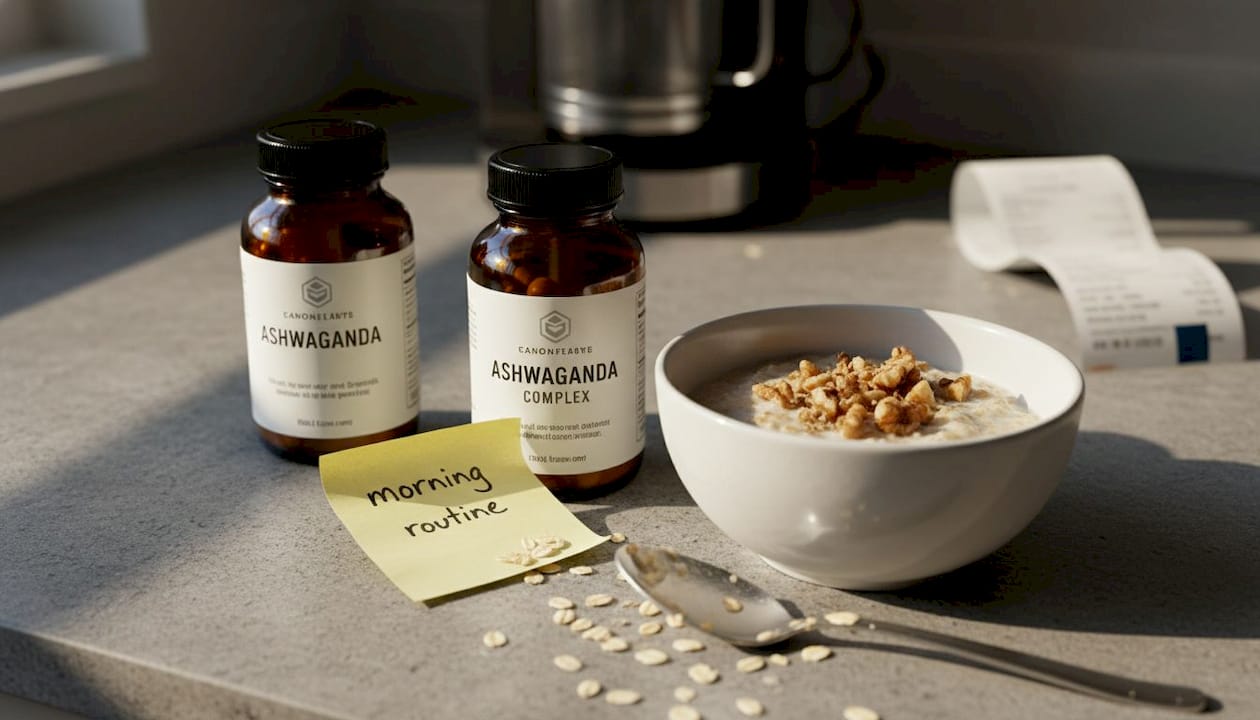
Ashwagandha at 300-600mg daily for eight to twelve weeks reduces cortisol by up to 27.9%, lowers perceived stress scores, improves sleep, and supports muscle strength and VO2max in stressed adults and athletes. That’s a meaningful, well-documented result. And Boswellia serrata at 60mg daily for ten days reduces muscle soreness, accelerates strength recovery, and lowers inflammatory markers like CRP and IL-6 after intense exercise.
| Supplement | Primary benefit | Suggested dose | Timeframe |
|---|---|---|---|
| Ashwagandha | Stress reduction, muscle recovery | 300-600mg/day | 8-12 weeks |
| Boswellia serrata | Muscle soreness, inflammation | 60mg/day | 10+ days |
| Cherry juice | Antioxidant, post-exercise recovery | 8-12oz/day | Ongoing |
| Beetroot juice | Performance, circulation | 8oz pre-workout | Ongoing |
What to look for when choosing supplements:
- Third-party tested for purity and potency.
- Standardized extracts for consistent dosing.
- Transparent ingredient lists with no hidden fillers.
Antioxidant-rich juices like cherry, beetroot, and pomegranate reduce exercise-induced inflammation and support faster muscle recovery. These are accessible, food-based options that pair naturally with botanical supplements.
You can explore quality natural supplements designed for recovery and relaxation, or check out creatine for muscle repair if rebuilding strength is a priority for you.
Pro Tip: Take Ashwagandha with a meal containing healthy fat. Fat-soluble compounds in the herb absorb better alongside dietary fat, improving its effectiveness.
Addressing common hurdles and safety tips
Even with the best plan, you may encounter obstacles on your recovery journey. Knowing what to watch for keeps you from losing momentum or, worse, doing more harm than good.
The most common recovery saboteurs are chronic stress, inconsistent sleep, and skipping the lifestyle basics in favor of supplements alone. Supplements are amplifiers, not replacements. If the foundation is shaky, even the best adaptogen won’t hold things together.
Watch out for these common pitfalls:
- Expecting immediate results. Natural recovery is a process, not a switch.
- Stacking too many new supplements at once, which makes it impossible to identify what’s helping or causing a reaction.
- Ignoring warning signs like persistent fatigue, mood changes, or digestive upset after starting a new product.
- Skipping professional guidance when symptoms are serious or ongoing.
“Not every supplement works for every body. The evidence is strongest for Ashwagandha in stress and recovery contexts. For others, results are more mixed.”
The evidence for Ashwagandha in stress and recovery is robust. Other supplements like citrulline or broccoli extract show mixed results for acute performance, so prioritize established, well-studied options first.
If you’re navigating something heavier, like holistic trauma recovery, professional support alongside these practices is not optional. It’s essential.
For occasional recovery support after social events or disrupted sleep, hangover support options can help bridge the gap while you rebuild your routine.
Pro Tip: Introduce one new supplement at a time and give it two full weeks before evaluating. This way, you know exactly what’s working and can adjust with confidence.
Tracking your recovery and optimizing over time
Once your routine is in motion, tracking and fine-tuning make all the difference. Most people feel better but can’t pinpoint why, which makes it hard to replicate or build on their progress.
Combining practices like nature exposure and mindfulness with targeted supplements, and consulting experts for personalization, is especially important in complex cases like chronic stress or post-exercise recovery.
| What to track | How to measure | Review frequency |
|---|---|---|
| Sleep quality | Hours slept, morning energy rating (1-10) | Weekly |
| Muscle soreness | Post-workout soreness scale (1-10) | After each session |
| Mood and focus | Daily mood journal entry | Daily |
| Stress levels | Perceived stress score (1-10) | Weekly |
How to review and adjust your routine:
- Every two to four weeks, review your journal or app data for patterns.
- Identify which practices correlate with your best days.
- Drop or modify anything that isn’t moving the needle after four weeks.
- Celebrate visible improvements, even small ones. Momentum matters.
- Seek expert input if progress stalls or new symptoms appear.
Tracking doesn’t need to be elaborate. A simple notes app or paper journal works well. What matters is consistency in recording, so you have real data to act on. Explore how daily life transformation from recovery looks in practice for additional inspiration on building this habit.
Why quick fixes fail and what actually works for natural recovery
Here’s the real talk: most people cycle through recovery products looking for the one thing that fixes everything. It’s understandable. When you’re exhausted and overwhelmed, you want a shortcut. But single-ingredient solutions almost never address the underlying stress, hormonal imbalance, or sleep debt that’s driving your symptoms.
What actually works is layering. You stack daily basics, consistent sleep, movement, and mindfulness, with select botanicals that have real evidence behind them. That combination is strategic, not magical. And it requires patience, which is the part nobody wants to hear.
The best natural recovery borrows from both ancient Ayurvedic wisdom and modern clinical research. Ashwagandha has been used for thousands of years, and now we have holistic lifestyle medicine research confirming why it works. That convergence of tradition and evidence is where the real power lives.
Change sticks when it fits your actual life. A recovery plan you can follow 80% of the time beats a perfect plan you abandon in two weeks. Start with what’s manageable, build from there, and explore personalized wellness plans that align with your goals and lifestyle. That’s the scenic path, and it’s the one that actually gets you somewhere.
Personalize your recovery with Onyx Wellness
You now have a clear map for natural recovery. The next step is finding products and resources that match your specific needs, not a one-size-fits-all approach.
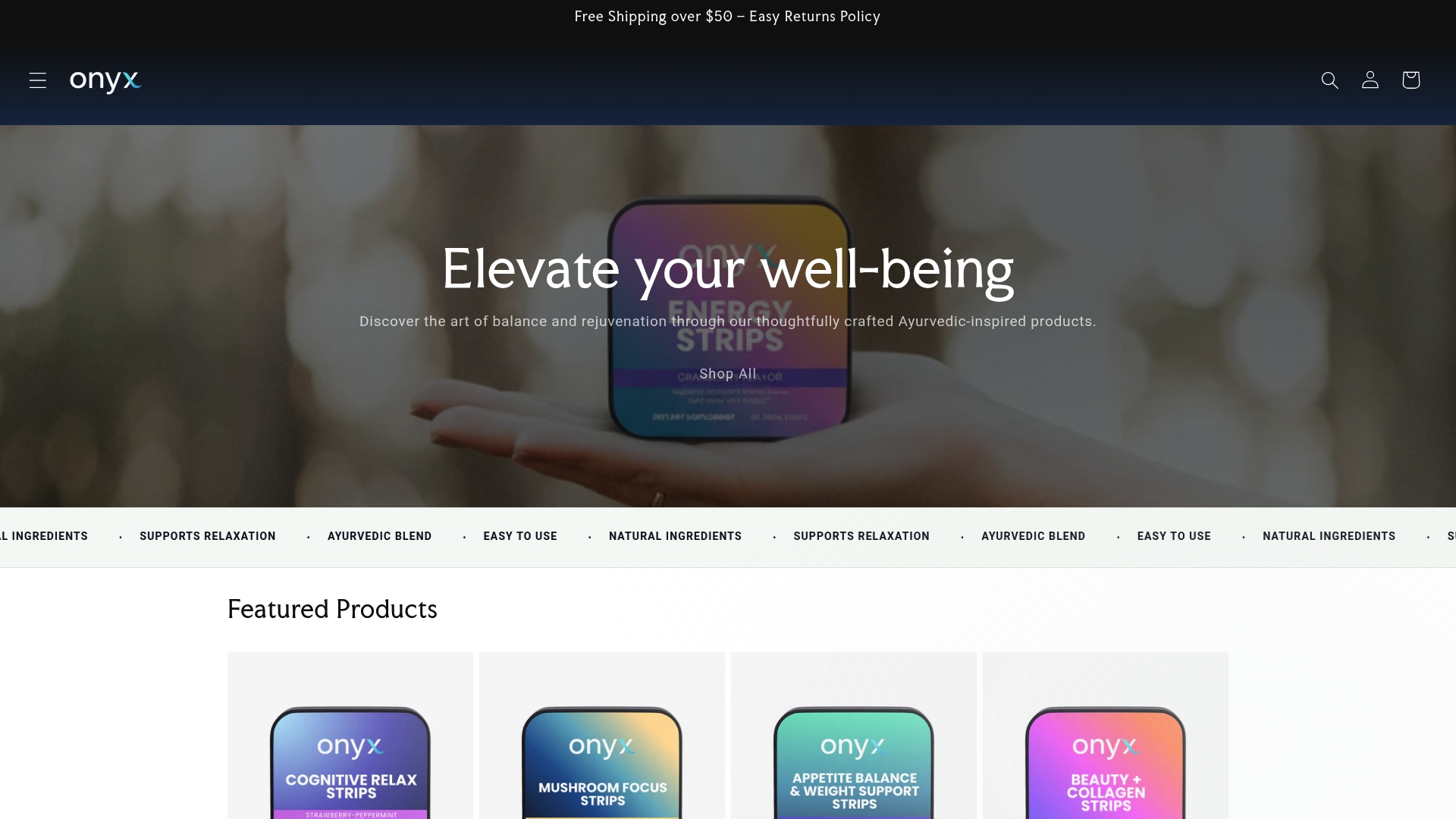
At Onyx Wellness, we’ve built a range of fast-absorbing, Ayurvedic-inspired solutions designed for modern recovery demands. Our dissolvable strips deliver botanicals and adaptogens quickly, without water, making them ideal for busy schedules. Whether you’re managing stress, rebuilding after intense training, or simply looking to sleep better, our natural supplement options are formulated with transparency and quality in mind. Try our Cognitive Relax Strips for fast-acting relaxation support, or browse our full wellness resource to find the right fit for your recovery journey.
Frequently asked questions
What is the fastest way to recover naturally?
Combining daily lifestyle practices like good sleep, movement, and relaxation with evidence-based adaptogens is the fastest natural approach. No single method works as well as stacking several habits together consistently.
Which natural supplements actually work for recovery?
Ashwagandha reduces cortisol and supports muscle recovery, while Boswellia eases soreness and inflammation. Polyphenol-rich juices like cherry and beetroot also have solid evidence for reducing post-exercise inflammation.
How long does it take to see results from natural recovery methods?
Most people notice meaningful improvements within two to four weeks of consistent practice. Lasting results require ongoing commitment rather than short bursts of effort.
Are natural recovery methods safe for everyone?
Most practices are broadly safe, but consult a healthcare provider if you are pregnant, managing a health condition, or considering potent botanicals. Expert personalization matters especially in complex cases.
How can I measure my progress when recovering naturally?
Track weekly changes in energy levels, sleep quality, mood, and muscle soreness using a simple journal or app. Consistent data gives you clear signals about what’s working and what needs adjusting.