


TL;DR:
- Starting a beauty routine begins with skincare, focusing on cleansing, moisturizing, and daily SPF to establish a healthy foundation. A small, curated makeup kit with essential products and simple application techniques helps achieve a natural, polished look efficiently. Haircare and nutrition also play vital roles, supporting overall beauty and complementing surface routines for a holistic approach.
Starting a beauty routine feels exciting until you’re standing in a store aisle staring at 47 different serums and wondering where to begin. Beauty enhancement step by step is exactly what most beginners need but rarely find: a logical sequence that starts with skin health, moves into makeup, and includes haircare without demanding a two-hour morning. This guide gives you a clear, honest path through all three. No overwhelming product lists. No techniques that require a makeup artist degree. Just what actually works, in the right order.
Table of Contents
- Key takeaways
- Beauty enhancement step by step: start with skincare
- Building your beginner makeup kit
- Natural makeup application techniques
- Haircare fundamentals for overall beauty
- Common beginner mistakes to avoid
- My honest take on building a beauty routine
- Support your beauty routine from the inside out
- FAQ
Key takeaways
| Point | Details |
|---|---|
| Skin before makeup | Healthy, moisturized skin is the foundation that makes every makeup product perform better. |
| Start with the basics | A three-step skincare routine (cleanse, moisturize, SPF) is enough for most beginners to see real results. |
| Build your kit slowly | Testing one makeup product at a time over two weeks prevents waste and helps you learn what works for you. |
| Technique over products | Application method matters more than how much you spend; sheer layers always beat heavy coverage. |
| Hair and nutrition count | Consistent haircare and nutritional support from within both contribute to a polished overall appearance. |
Beauty enhancement step by step: start with skincare
Before a single drop of foundation touches your face, your skin needs to be in good shape. Makeup sits poorly on unhealthy skin, and no amount of expensive concealer fixes flaking, congested, or dehydrated skin underneath. Think of skincare as the primer coat. Get it right and everything else goes on smoother, lasts longer, and looks more natural.
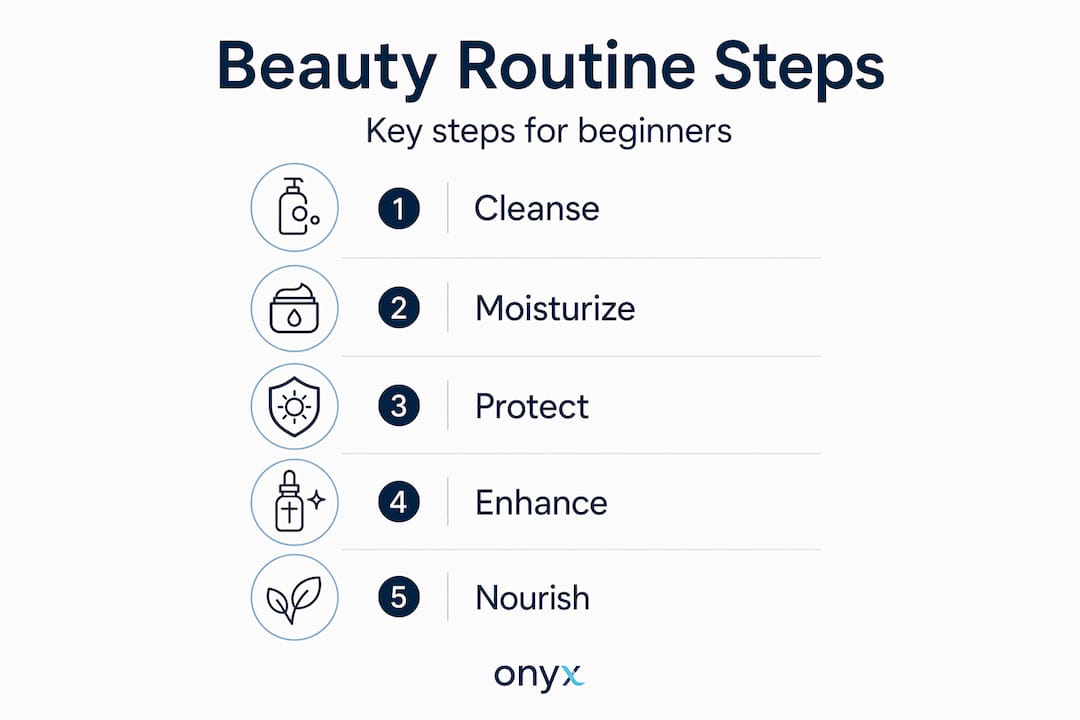
The core of any step by step beauty guide starts with three non-negotiable moves:
- Cleanse: Use a gentle cleanser morning and night to remove oil, pollution, and product buildup. Dry skin does better with cream or oil cleansers; oily skin benefits from gel or foam formulas. Combination skin? Use a gentle, balanced formula and do not strip.
- Moisturize: Every skin type needs moisture, even oily skin. The goal is keeping the skin barrier intact so it does not overproduce oil or become reactive. Lightweight gels work for oily skin; richer creams suit dry and mature skin.
- SPF: A daily SPF 30 or higher is non-negotiable regardless of the weather, your skin tone, or whether you plan to be outside. UV exposure ages skin faster than almost any other factor, and most people skip this step until the damage is done.
Age plays a role in how you approach this routine. Collagen production slows around age 25, so by your 30s, adding an antioxidant serum or a collagen-supporting supplement makes a real difference. Before that, consistency matters more than complexity.
One common beginner mistake: buying a 10-step routine and burning out after three days. Two to three steps done every single day beats an elaborate ritual done twice a week. Skin responds to consistency above all else.
Pro Tip: Add a Hair, Skin and Nails Strip from Onyxwellness to your morning routine. It dissolves on your tongue in seconds and delivers nutritional support that works from the inside out, complementing your topical skincare without adding another bottle to your shelf.
Building your beginner makeup kit
You do not need everything. That is the first thing to understand about how to enhance beauty with makeup. A smart, lean kit outperforms a cluttered collection every time, especially when you are still learning.
Here is a practical starting list:
- Tinted moisturizer or light coverage foundation: More forgiving than full coverage and much easier to blend.
- Concealer: One or two shades lighter than your foundation for under-eye brightening; a matching shade for blemishes.
- Neutral eyeshadow palette: A palette with two or three matte shades and one shimmer covers nearly every look.
- Mascara: One good mascara does more for your face than most people realize. It opens the eyes immediately.
- Cream blush: Easier to blend than powder for beginners and gives a natural, skin-from-within flush.
- A tinted lip balm or neutral lip color: Low effort, high payoff.
- Setting spray: Keeps everything in place without adding more product weight.
When choosing foundation, always test the shade along your jawline in natural light. Not on your hand. Not on your wrist. The jawline is where your face color transitions to your neck, and matching there means no visible lines.
The most important buying advice for beginners: test one product at a time over two weeks before adding another. This approach prevents waste, keeps your routine manageable, and helps you actually learn what each product does. Buying an entire collection at once is how most people end up with a drawer full of things they never use.
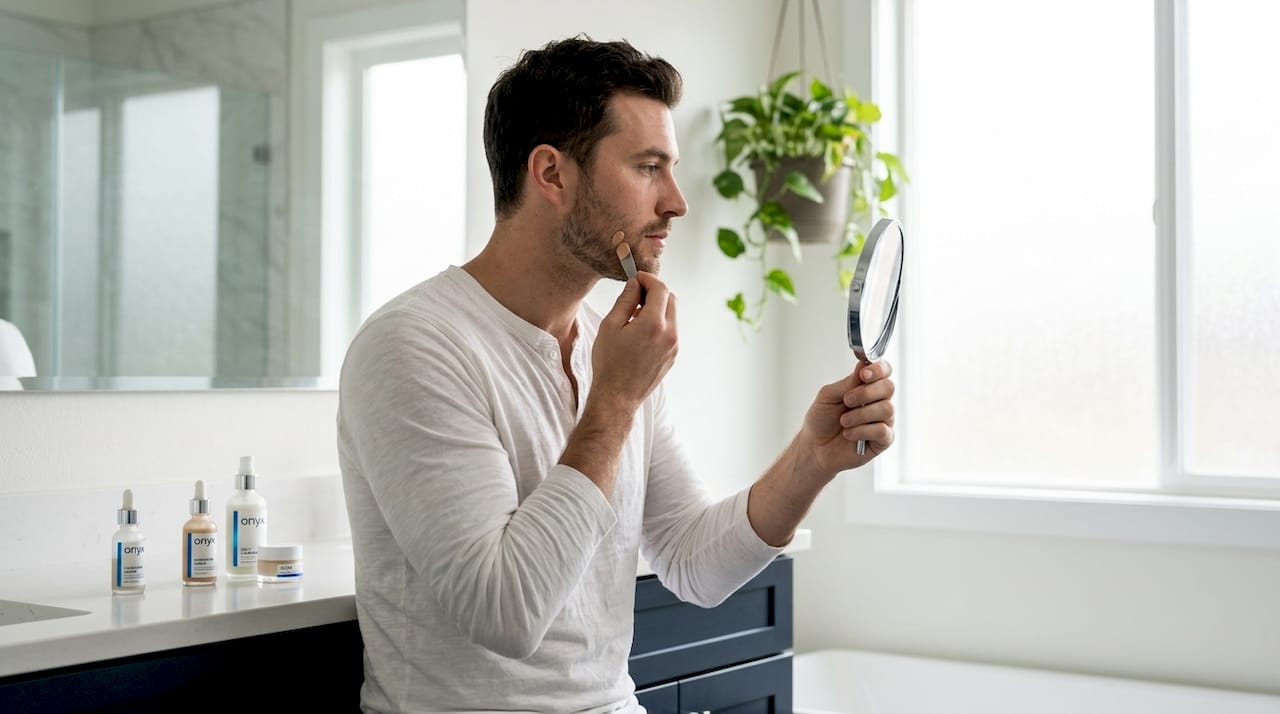
Pro Tip: Skip the baking technique early on. Professional artists advise against baking for everyday wear because it magnifies texture and fine lines. A light dusting of translucent powder is all you need.
Natural makeup application techniques
Knowing what to buy only gets you halfway. The real skill in beauty enhancement techniques is how you apply what you have. These steps take seven to ten minutes once practiced and produce a genuinely polished result.
-
Hydrate and prime: Apply your moisturizer and let it absorb for two minutes. Follow with a pea-sized amount of primer focused on areas where makeup tends to slide (around the nose, forehead, and chin). Primer is not mandatory, but it extends wear noticeably.
-
Apply foundation with your fingers first: Apply foundation as sheerly as possible using your fingers, then press it into the skin with a damp sponge. The finger warmth helps the product melt into your skin naturally. A damp sponge prevents caking and builds sheerness instead of coverage.
-
Conceal strategically: Dot concealer under the eyes in a small triangle shape pointing down toward the cheekbone. Blend gently with your ring finger or a small brush. Use a lighter hand on blemishes; tapping instead of rubbing avoids disturbing the skin underneath.
-
Curl and coat lashes: Curling lashes before applying mascara lifts the entire eye area. Apply two coats, wiggling the wand at the root and pulling upward. Let the first coat dry slightly before the second to avoid clumping.
-
Add eyeshadow with a light touch: Press a neutral matte shade across the lid with your finger. A slightly deeper shade in the crease adds dimension without requiring brush blending skills. Shimmer on the inner corner of the eye brightens the whole face.
-
Place blush on the apples of your cheeks: Smile gently and tap cream blush onto the rounded part of the cheek, blending back toward the temple. Less is more here; you can always add but you cannot take away.
-
Finish with lips and set: Apply your tinted balm or lip color. Spritz setting spray from about a foot away and let it dry. You are done.
Pro Tip: Natural light is your best quality control. Check your finished look by a window before walking out the door. Artificial lighting can hide blending mistakes that daylight will not.
Haircare fundamentals for overall beauty
Hair is often the last thing people address in a beauty routine, but it carries enormous visual weight. Healthy, well-maintained hair completes a polished look in ways that no makeup technique can compensate for.
Here is what a solid haircare foundation looks like:
- Wash based on your hair type, not habit. Fine hair may need washing every other day; thick or curly hair often does well with one or two washes per week. Over-washing strips natural oils and causes dryness and breakage.
- Use a conditioner that matches your texture. Fine hair benefits from lightweight, rinse-out formulas. Thick and curly hair needs richer, more emollient conditioning. Apply conditioner from the mid-lengths to the ends, not the scalp.
- Always use heat protectant before styling. Flat irons and blow dryers cause cumulative damage without it. Spray onto damp hair before any heat tool touches it.
- Get trims every 8 to 12 weeks. Split ends travel up the hair shaft if left alone, making hair look dull and thin at the ends even when the roots are healthy.
- Add a hair mask weekly if your hair is dry or chemically treated. Even a five-minute mask makes a visible difference over time. Apply to clean, damp hair, leave on while you finish your shower, and rinse well.
Nutrition also matters more than most people realize. What you eat shows up in your hair. Biotin, collagen, and key minerals directly support hair strength and growth. A supplement like Hair, Skin and Nails Strips from Onyxwellness delivers those nutrients quickly and conveniently. It is a practical complement to topical haircare, especially if your diet is not always consistent.
Pro Tip: Brush from the ends upward, not from the root down. Starting at the ends and working toward the roots removes tangles without snapping strands.
Common beginner mistakes to avoid
Even with a great routine on paper, small missteps can slow your progress. These are the most common ones and how to sidestep them:
- Skipping SPF. This one mistake accelerates visible aging faster than almost anything else. Apply it every morning, year-round.
- Choosing the wrong foundation shade. Testing on your hand instead of your jawline in natural light almost always leads to a mismatched color. Take the extra minute to test correctly.
- Layering too much product. More product does not mean better coverage. Sheer layers built gradually look far more natural and last longer than a single heavy application.
- Sleeping in your makeup. This blocks pores, transfers bacteria to your pillow, and accelerates skin aging. Even a face wipe is better than nothing on a tired night.
- Dirty brushes. Brushes collect bacteria, old product, and oil. Clean them every one to two weeks with a gentle soap. Dirty brushes cause breakouts and muddy color payoff.
- Comparing your results to filtered images. Social media filters are not beauty standards. Chasing an edited image will always feel discouraging because that image is not real.
Pro Tip: Buying products one at a time and testing each over two weeks is the single most effective strategy for building a routine that actually fits your skin and lifestyle.
My honest take on building a beauty routine
I have watched a lot of people start a beauty routine with a full cart of products and a YouTube playlist queued up. Within two weeks, most of them have abandoned it entirely. Not because they lacked discipline. Because they started too big.
What I have learned is that skin health genuinely does the heavy lifting. When I stopped chasing the latest serum and just cleansed, moisturized, and wore SPF consistently, my skin changed more in two months than it had in years of elaborate routines. Makeup on healthy skin is a completely different experience. It blends easily, stays put, and looks like you are just having a good skin day.
I also think the makeup world overcomplicates application for beginners on purpose. The truth is, fingers and a damp sponge will outperform a 12-brush set for most people starting out. You do not need tools. You need practice and patience.
Give yourself 30 days of consistency before judging results. Skin and hair respond slowly but reliably. The routine that feels boring in week two is the one that shows up for you in week eight.
— Chris
Support your beauty routine from the inside out

Your skincare and makeup routine covers what happens on the surface. But your skin, hair, and nails are also shaped by what you give your body nutritionally. Onyxwellness created its Hair, Skin and Nails Strips specifically to fill that gap. Each dissolvable strip delivers targeted nutrients fast, with no water required and no pills to swallow. They fit a busy morning without disrupting your existing routine.
If you are committed to a step by step beauty guide that covers all the angles, nutritional support is worth building in. Visit Onyxwellness to explore the full range of strips designed to work alongside your daily wellness habits, whether your goal is better skin, stronger hair, or overall vitality.
FAQ
What is the first step in a beauty enhancement routine?
Skincare always comes first. A clean, moisturized face with daily SPF creates the base that makes every other beauty product perform better.
How long does a basic makeup routine take?
A minimal routine takes under 5 minutes, while a full everyday look typically takes 7 to 10 minutes once you have practiced the steps.
How do I choose the right foundation shade?
Test the shade along your jawline in natural light. The right match blends into both your face and neck without a visible line.
What are easy beauty enhancements for beginners?
Start with tinted moisturizer, mascara, and cream blush. These three products take minutes to apply and deliver the most noticeable results with the least technique required.
How often should I wash my hair for healthy hair?
Frequency depends on your hair type. Fine hair may need washing every one to two days, while thicker or curly hair often does best with one to two washes per week.